Families of Tanzanian men killed at the North Mara gold mine sue the LBMA for the certification of gold linked to alleged killings
Joint release by: Action for Southern Africa (ACTSA), CAFOD (Catholic Agency for Overseas Development), Corporate Justice Coalition, Fern, Global Legal Action Network (GLAN), Global Witness, London Mining Network, Mighty Earth, Rights and Accountability in Development (RAID) and Spotlight on Corruption.
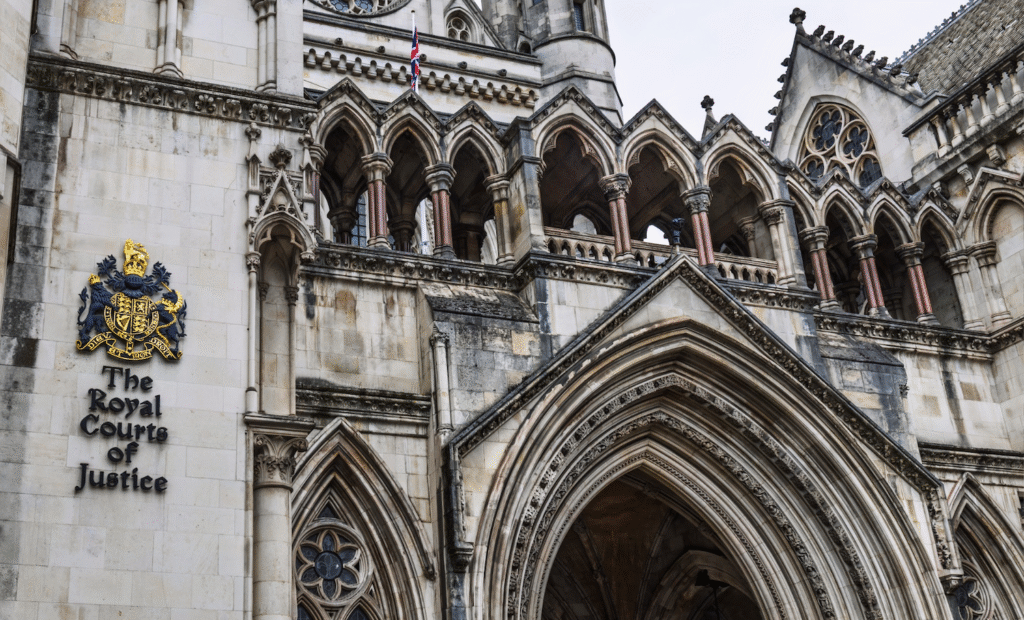
London’s gold market and the credibility of its responsible sourcing claims will come under scrutiny in the UK High Court this week, when a landmark human rights case against the London Bullion Market Association (LBMA) begins on 7 October.
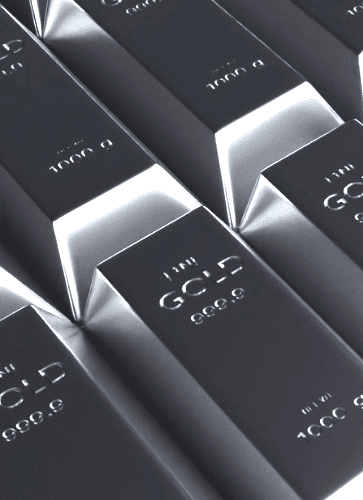
The legal case tests whether the industry body at the centre of London’s multi-billion-dollar gold market can be held legally responsible for an allegedly flawed certification system.
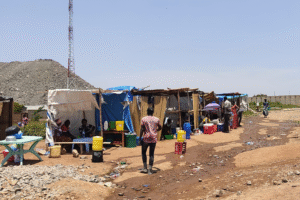
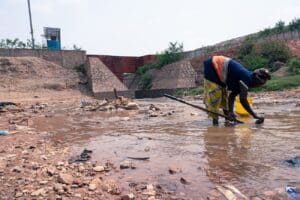
The case is being brought by the families of two young Tanzanian men who died in separate shooting incidents at the North Mara gold mine in 2019. They say that the men, both aged 23, were killed by security forces guarding the mine while prospecting for gold. In July, a further 30 Tanzanians joined the legal proceedings, alleging further killings, gunshot injuries and torture. Those claims have been stayed pending the outcome of the October trial.
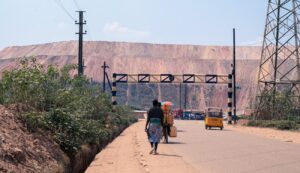
The LBMA stands accused of wrongly certifying gold from Tanzania’s North Mara mine as being “clean” and compliant with its Responsible Gold Guidance standards, despite longstanding reports of serious human rights abuses connected to the mine. The North Mara mine has been dubbed as one of Africa’s deadliest industrial mines for security-related violence.
The claimants argue that the LBMA owes a duty of care to people affected by human rights abuses in supply chains covered by its responsible-sourcing standards, and that the LBMA failed to properly enforce its own policies.
“This case is not about who pulled the trigger. It is about the responsibility of the LBMA’s responsible-sourcing system, which effectively gave North Mara gold a clean bill of health despite a long trail of reports alleging killings, torture and other serious abuses. This case will test whether responsible-sourcing schemes are genuine safeguards or simply empty promises on paper – and whether certifying bodies like the LBMA can be held accountable when the systems they put their name behind fail.”
– Anneke Van Woudenberg
For more than a decade, North Mara gold was refined by MMTC-PAMP in India, an LBMA-accredited Good Delivery refiner and part of the Swiss-based MKS PAMP Group. Despite repeated press reports and civil society complaints about serious human rights abuses at the mine, the LBMA did not suspend or remove MMTC-PAMP – even though at the time it required refiners to suspend sourcing from mines where serious abuses were under investigation.
The case breaks new ground in seeking to hold a certification body accountable for alleged failures in responsible sourcing. Its implications could reach far beyond the gold sector, raising questions about the accountability of voluntary certification schemes used across global supply chains.
Civil society organisations have for years raised the alarm about weaknesses in the LBMA’s responsible-sourcing programme, arguing that it has used the “clean gold” label to whitewash abuses and failed to prevent gold linked to conflict, money laundering, and serious human rights and environmental harms from entering the London market.
RAID submitted a complaint under the LBMA’s ‘Incident Review Process’ in 2020 and 2022 citing the “extremely troubling” findings of multiple research missions in the region.
The LBMA denies liability. It says it does not certify mines, has no control over operations at North Mara or the Tanzanian security forces, and acted reasonably and appropriately in accordance with its rules.
The LBMA claim was filed in the High Court in London in December 2022. The trial is due to begin at the High Court in London on 7 October 2026 and is expected to last for six weeks. The claimants are represented by Leigh Day, with former Attorney General Dominic Grieve KC leading the barrister team.

Rights groups speak out
Lucy Brill, Private Sector Policy Lead, CAFOD
“Unfortunately, this case is not a one-off. Our partners around the world regularly report violence and intimidation when they take action against irresponsible mining. Human rights abuses in a supply chain is not the kind of stain that can be polished away. The LBMA’s weak standards mean consumers and investors can have little confidence the gold they are buying is not tarnished.
“If this trial is successful, not only will the widows of these two young men receive some justice, but it will set a precedent that those managing other certification schemes must take their responsibilities seriously. The LBMA needs to implement more effective sanctions – including expulsion – against those who repeatedly breach basic standards.
“In short, the gold market needs to clean up its act.”
Hannah Mowat, Adviser of Forest and Rights NGO, Fern
“For banks and jewellers, the LBMA provides a seal of excellence, assuring them that gold certified by the body is ethically sourced. Whatever the outcome, the grave abuses at the heart of this case expose the hollowness of such claims. With demand for gold booming, fuelling destruction of forests and human rights abuses, the UK Foreign Office should be watching this case closely. Proper democratic oversight of this lucrative sector is needed urgently.”
Gearóid Ó Cuinn, Director of Global Legal Action Network (GLAN)
“Global supply chains depend on systems that tell banks, investors and businesses what they can treat as responsibly sourced. Those systems cannot confer legitimacy on commodities linked to serious abuses and then disclaim responsibility when those assurances prove hollow. This case asks a wider question: if certification bodies act as gatekeepers to global markets, what legal responsibility follows when those gates fail?”
Diana Salazar, Latin America Coordinator, London Mining Network (LMN)
“The LBMA must be held to account for giving its stamp of approval to dirty gold linked to human rights abuses. We stand in solidarity with the Tanzanian families grieving the loss of their loved ones and demanding justice and accountability from the leading precious metals trader. This case highlights the critical need for much stricter standards to end London’s complicity with the harms inflicted on mining-affected communities.”
Sam Mawutor, Africa Director, Mighty Earth
“Standards that check paperwork at the refinery gate but never reach the pit do not protect people where gold is mined. Every day, gold of questionable legal origin from South America to Africa flows into international markets, leaving poisoned rivers, destroyed forests, agricultural lands, and devastated communities behind it. This case tests whether ‘responsible sourcing’ schemes mean anything, and it gives the LBMA and other standard-setters a chance to close the loopholes that let dirty gold be sold as clean.”
Helen Taylor, Deputy Director of Spotlight on Corruption
“This challenge holds up a mirror to the supply chains on which London has staked its reputation as a leading centre for responsible gold trading. As demand for gold surges, robust scrutiny and accountability of this powerful industry are vital for ensuring the pursuit of profit does not come at the expense of people and planet. This case will test the credibility of industry standards to ensure LBMA certification cannot be used as a fig leaf to hide corruption, human rights abuses or environmental harms that taint the global gold trade.”
Further background
- The trial is scheduled to run from 7 October to 20 November 2026.
- View all LBMA updates relating to this case here.
- North Mara mine is majority-owned by Canadian multinational Barrick Mining Corporation, one of the largest gold mining companies in the world. Barrick strongly denies any responsibility for the actions of the police force.
- In July 2026, the UK government announced sanctions targeting the conflict gold trade in Sudan.
- Illicit gold will be a priority theme at the UK’s Illicit Finance Summit, to tackle flows of dirty money around the world, set to take place in London in the coming months. For more information, visit here.