

RAID and the UK Corporate Responsibility Coalition (CORE) have officially lodged a letter with the UK Supreme Court requesting it to hear a case involving corporate human rights abuses by a British-based company, African Minerals Ltd, at its iron-ore mine in Sierra Leone. The letter was filed under Rule 15 of the Supreme Court Rules, which permits civil society groups to make submissions in the public interest to the Court.
Category Archives: Uncategorized
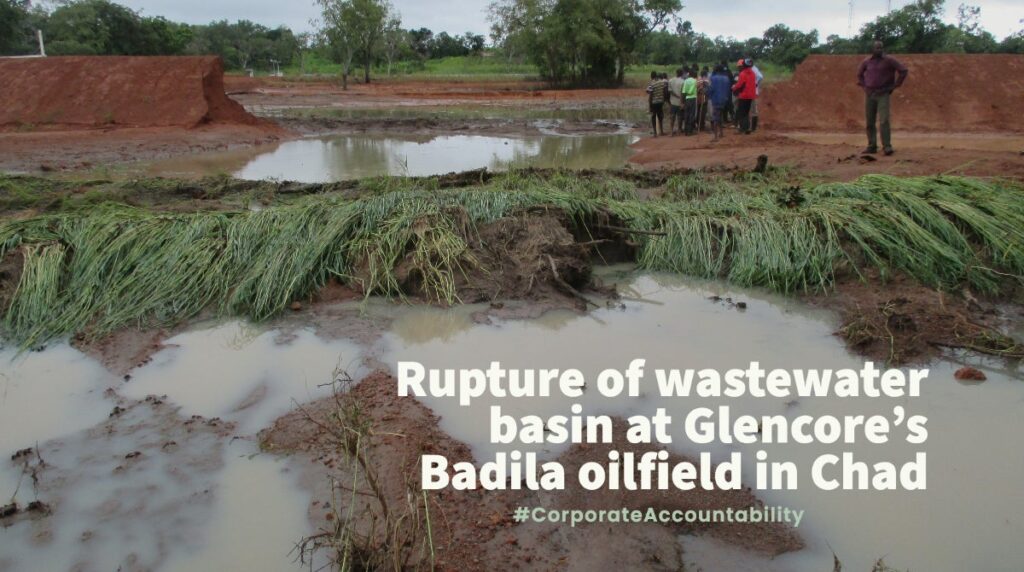
Glencore ignored reports of serious injuries to local residents in Chad living near its Badila oilfield following a September 2018 wastewater spill and oil pipe leak, a new report published today reveals. The Badila oilfield is operated by PetroChad Mangara Ltd, a 100%-owned subsidiary of Glencore Plc, one of the largest natural resource companies in the world.
RAID is a UK based non-governmental organization which exposes corporate wrongdoing, environmental damage and human rights abuses, partnering with those harmed to hold companies to account. Through rigorous investigation, advocacy and the law, RAID seeks to strengthen regulation of business and achieve justice.
Dear Mr. President,
We are a group of civil society organizations associated with the campaign “Congo is not for sale”. We are writing to congratulate you on the special attention you recently gave to US sanctioned entities accused of questionable financial transactions in the Democratic Republic of Congo. We write to request precautionary measures against other entities also under US sanctions, in order to limit the risk of unlawful practices that could harm the country’s public finances.
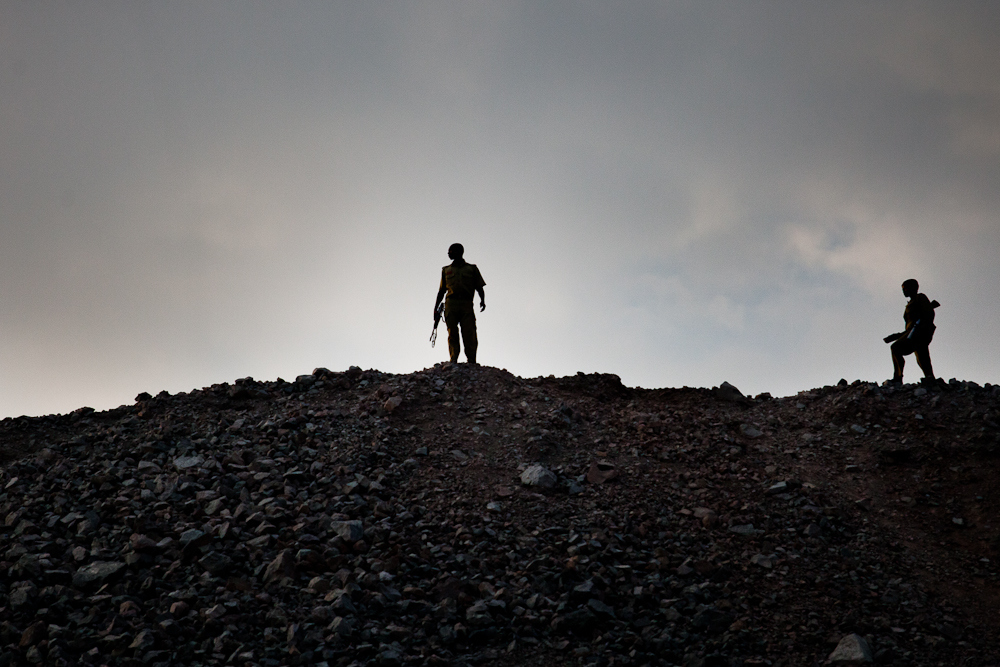
The claim was issued against Barrick Tz Limited, formerly known as Acacia Mining, of which Barrick was the majority shareholder. Majority owned subsidiaries of Barrick have operated the troubled Tanzanian gold mine from 2010 until 2019. In 2019 Barrick bought out the minority shareholders of Acacia, delisted the company from the London and Dar es Salaam Stock Exchanges and took it back under its control.
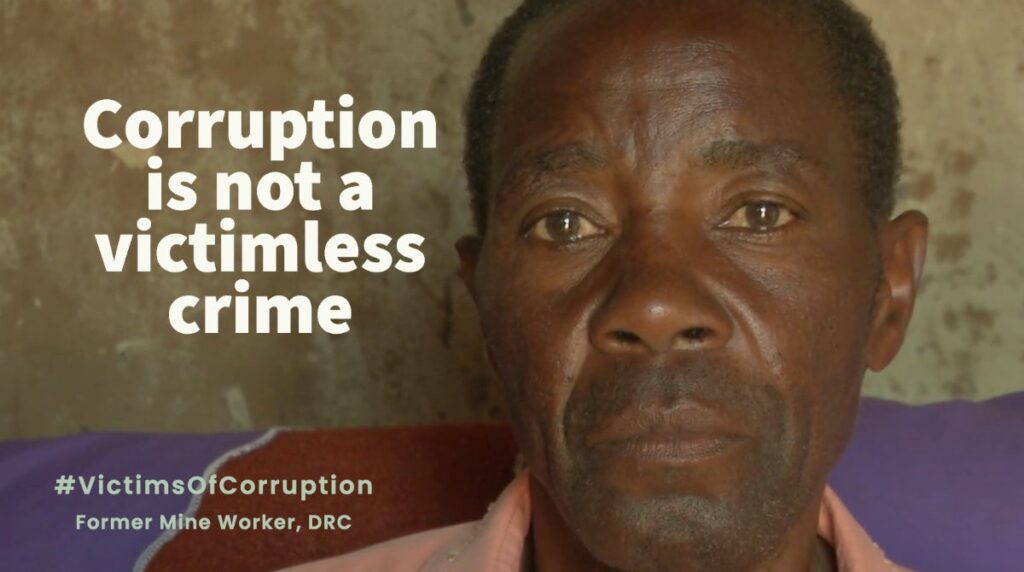
Today, a first group of 16 residents from the Democratic Republic of Congo stepped forward as potential victims in the Serious Fraud Office’s corruption investigation into Kazakh multinational mining company, Eurasian Natural Resources Corporation (ENRC). UK corporate watchdog, RAID, said it expected more to join.
Last week’s announcement by the UK Serious Fraud Office (SFO) that it is investigating suspected bribery at international commodity and mining giant Glencore Ltd and its associates has elated anti-corruption campaigners. Today, on International Anti-Corruption Day, is a moment to welcome this bold move by the SFO which follows concerns expressed for years by civil society groups about Glencore’s conduct in the Democratic Republic of Congo.
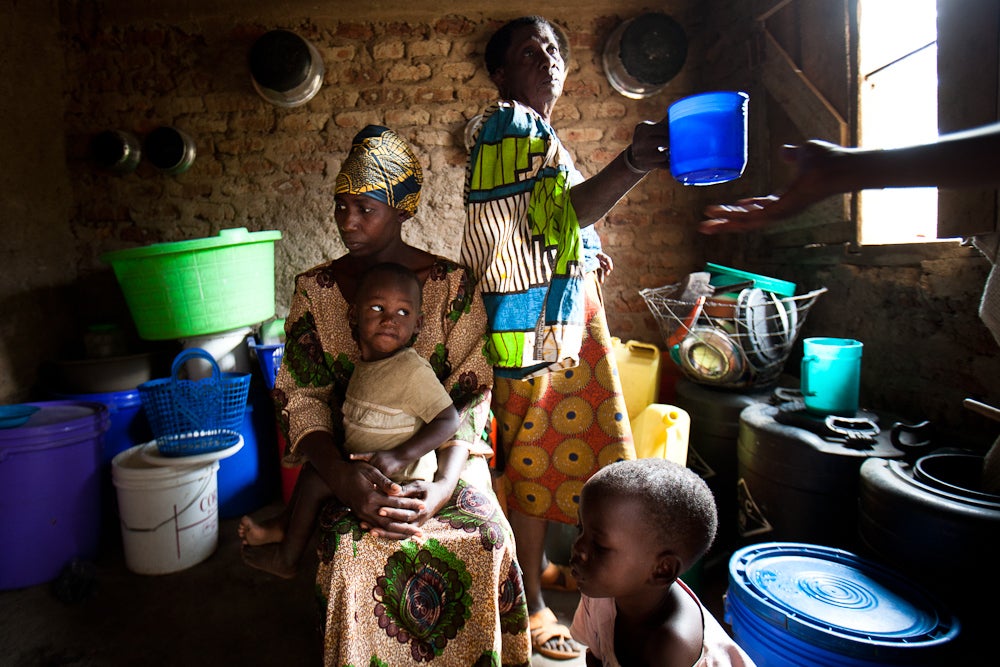
Mark Bristow, CEO of the world’s largest gold miner, Canadian company Barrick Gold, has finally secured one of the mines he has long coveted. Bristow has been lauded for orchestrating Barrick’s takeover last month of London-listed Acacia Mining plc, which ensures direct control over Acacia’s prized North Mara gold mine. Yet Bristow’s challenges in Tanzania are only just beginning. How he will resolve the toxic combination of serious human rights abuses and deep discord with North Mara’s local communities will be the real test of his leadership.
The World Bank Group’s private sector arm, the International Finance Corporation (IFC), forfeited its right to an estimated $50 million in compensation following corruption on its investments in the Democratic Republic of Congo by notorious Israeli businessman, Dan Gertler.
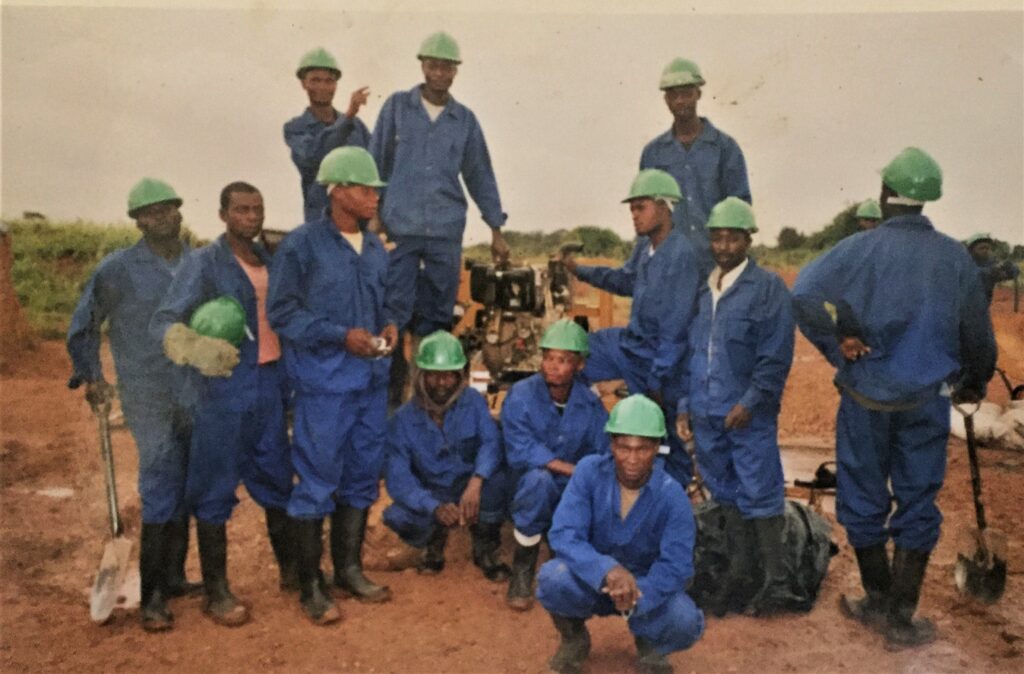
Ten years ago, 700 workers at the Kingamyambo Musonoi Tailings (KMT) mine in Kolwezi, Democratic Republic of Congo, were ordered to stop their work. They downed their tools, stopping trucks in the middle of the road and leaving pipes half cut, and gathered at the gate. A company official addressed the confused crowd telling them the cobalt and copper mine was being forced to close. The Congolese government had unlawfully stripped First Quantum Minerals, a Canadian company which owned the mine, of its license. The workers no longer had jobs.