Independent studies uncover widespread air pollution, and water and soil contamination, with serious public health risks
Pour la version française, cliquez ici.
New scientific studies published today document widespread pollution in the air, water and sediment around large-scale copper and cobalt mines in the Democratic Republic of Congo (DRC). Scientists have identified pollutants linked to lung disease, neurological damage, cancer and reproductive harm, with children most at risk. Residents living near the mines report escalating health problems. As one put it, “We are being killed slowly.”
DRC supplies more than 70% of the world’s cobalt, essential to electric vehicle batteries and other green energy technologies, as well as significant quantities of copper. As the global transition to “clean” energy accelerates – alongside the expansion of AI data centres and military industries – the appetite for both minerals is intensifying.
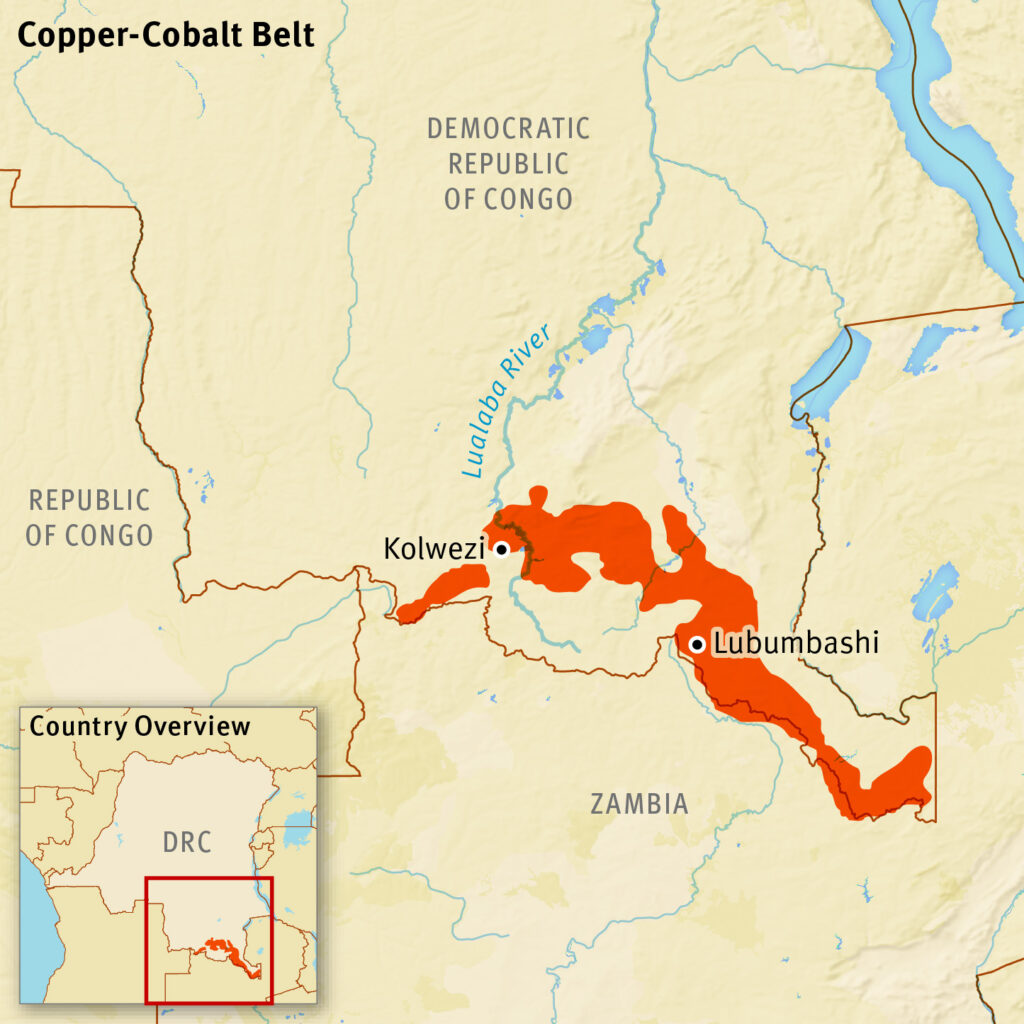
Two of the studies, led by experts from Source International, an environmental science organisation based in Italy, provide the first systematic assessment of air quality in the region, alongside an analysis of water and sediments. These are complemented by two further studies on water quality and environmental health led by Professors Célestin Banza Lubaba Nkulu and Arthur Kaniki Tshamala of the University of Lubumbashi, two leading environmental experts.
Using separate methodologies and independent laboratories, the research teams all reached strikingly convergent conclusions about the scale of the pollution.
Scientific findings at a glance
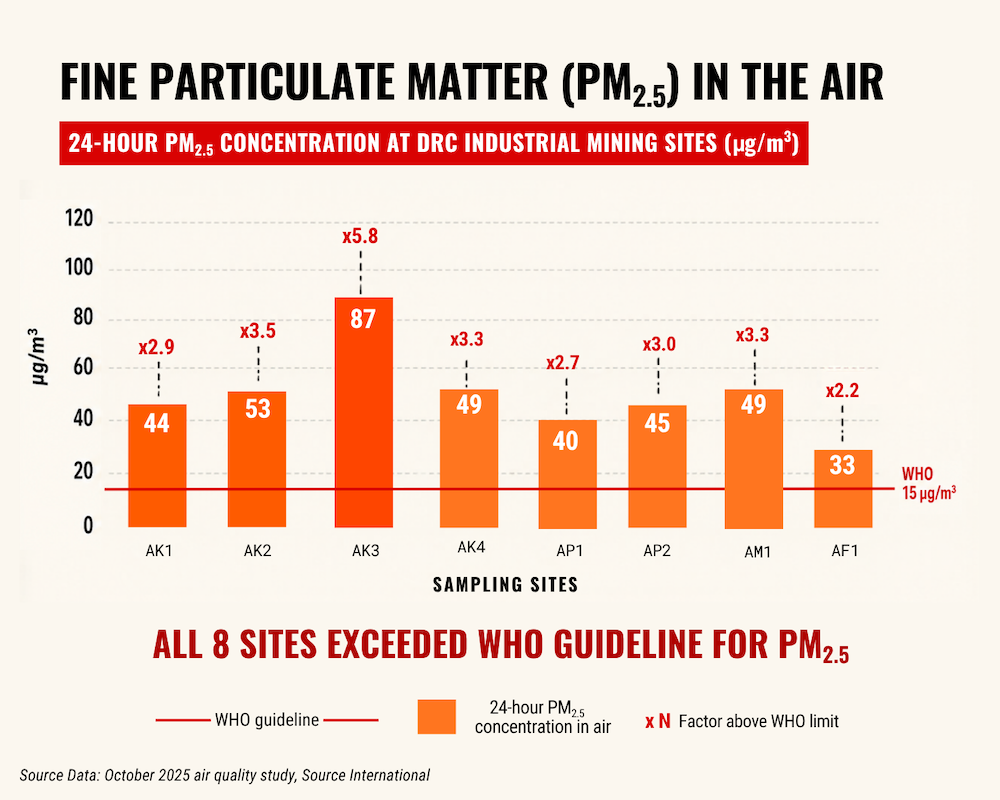
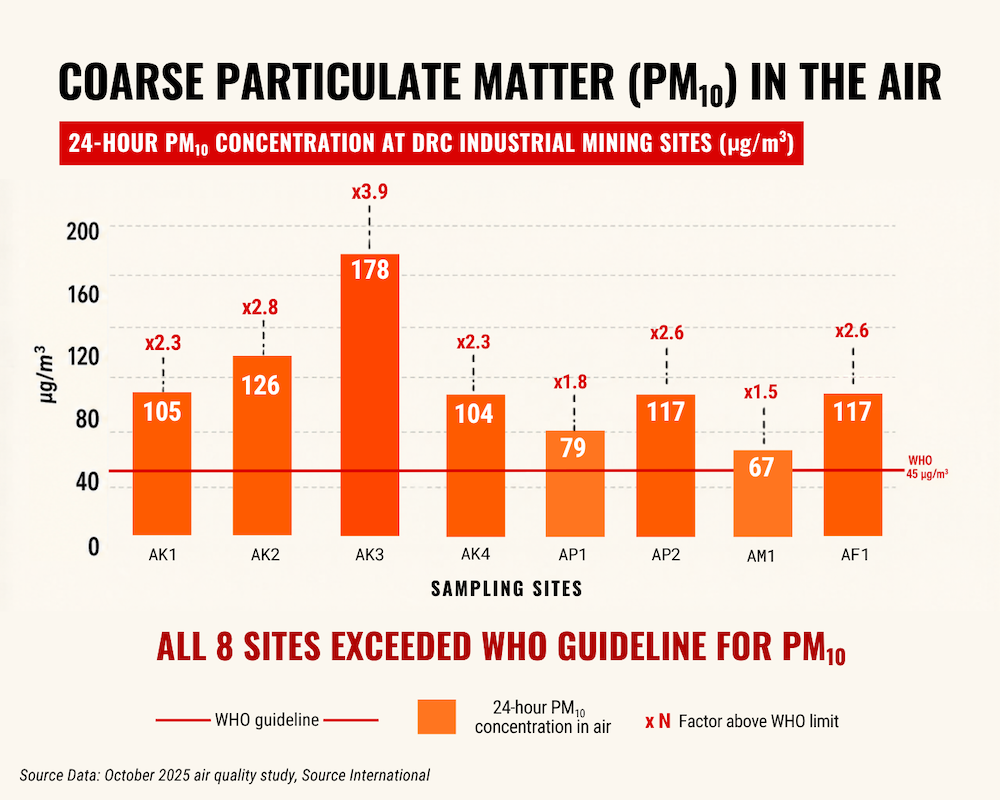
- At every site monitored, concentrations of fine dust particles (PM2.5 and PM10) in the air exceeded World Health Organisation (WHO) guidelines, in some cases by up to six times; 98% of hourly measurements were above safe limits, indicating communities are exposed to dangerous levels of toxic air continuously, not occasionally.
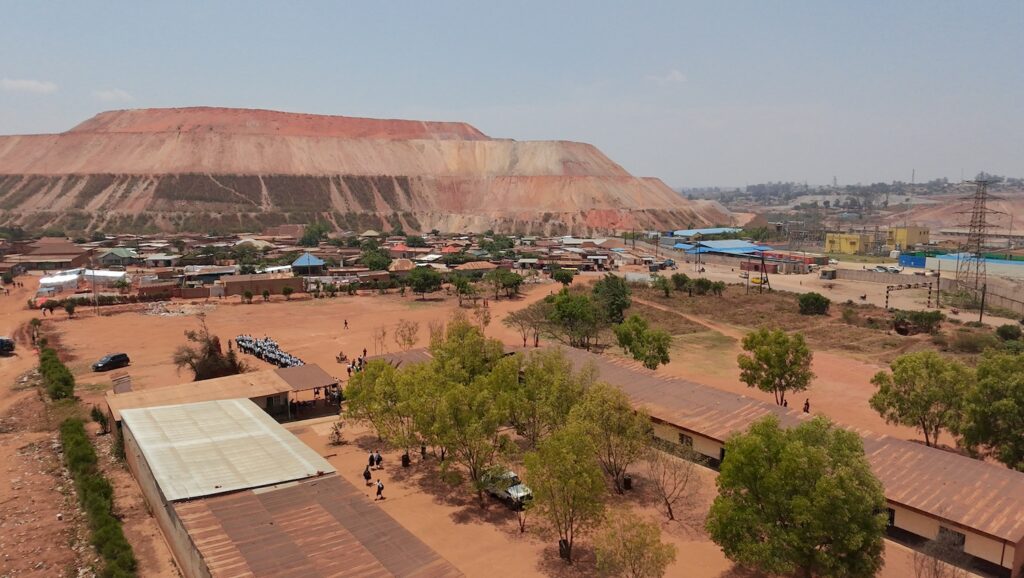
- At the Galaxy School in Kolwezi, where approximately 1,500 children and 68 staff work and study daily, less than 500 metres from a mining waste stockpile, pollution levels were among the highest recorded across the entire air pollution study.
- The dust carries the chemical fingerprint of industrial mining residues; analysis ruled out traffic, domestic burning of wood, charcoal and artisanal mining as primary sources.
- Across rivers, lakes and wells, scientists found elevated concentrations of copper, cobalt, manganese, arsenic, lead and uranium; metal concentrations in the Kelangile River and Lake Kando exceeded international environmental standards.
- A community water well in Kolwezi, located 200 metres from a tailings storage facility, was found to be 100 times more acidic than recommended, with manganese and aluminium concentrations up to 14 times above health-based limits; manganese at elevated levels has toxic effects on the central nervous system.
Click right arrow to view PM10 infographic
Scientists raise the alarm on serious health risks
Particulate matter pollution is the second-leading risk factor for death globally. In its findings, Source International highlights that it is associated with respiratory illness, cancer, premature births and harm to newborns. It warns that mounting evidence of health problems “raises significant concerns about the health of frontline communities in Lualaba”.
Professor Banza cautions that metal-contaminated sediments accumulating in the region’s rivers and water bodies constitute “a chemical time bomb”, concluding that “chronic exposure of fenceline communities appears consistent with significant and serious health risks”. Contamination of this nature can lead to neurological disorders, kidney disease, chronic poisoning and developmental disturbances in children.
Evidence confirms environmental harms that communities have long reported
The studies were conducted across eight communities in and near the towns of Kolwezi and Fungurume, in Lualaba Province, close to large industrial mining operations, notably: Tenke Fungurume Mining (TFM, operated by CMOC); COMMUS (operated by Zijin Mining) and Mutanda Mining (operated by Glencore).
The scientific findings are reflected in the personal testimony from more than 150 local residents and medical staff, gathered by UK-based corporate watchdog organisation, RAID, and Congolese natural resources NGO, AFREWATCH, who describe contaminated water, choking dust, failing crops and worsening health.
“Long ago, the air was good,” said one resident of Kaindu. “Now, when you wake up, you feel pain in your nose and your head aches.” In Pierre Muteba and Tshizuza, residents describe washing their homes three or four times a day to remove dust that settles on clothes, food and water. “When it arrives, it is like a fog,” said one resident of Mibanze about the air pollution.
Across multiple communities, residents report persistent coughing, skin conditions, nosebleeds, eye irritation and headaches, with symptoms worsening in the dry season. Women describe miscarriages, menstrual disruption and reproductive health problems they attribute to the pollution and say children are the most severely affected. “It is very serious for young babies,” said one mother in Pierre Muteba. “Since I came to live here, I have had a cough every month without end. It is the same for the children.”
Local medical professionals confirm what residents describe. “There is not a day without a case that can be linked to air pollution,” said one doctor working in Kolwezi. Communities say they have raised these concerns repeatedly with companies and authorities, but often with little or no response.
All three scientific teams conclude that an urgent, independent health assessment of affected communities is needed.
The independent scientific studies are published today by AFREWATCH, RAID and Source International. The groups call on mining companies to fund a health assessment, publish their environmental monitoring data, and take immediate action to reduce pollution at source.
The organisations shared the findings of the four scientific studies with CMOC (TFM), Glencore (MUMI) and Zijin Mining (COMMUS) two weeks in advance of publication and invited observations. TFM provided a detailed written response, available here. Glencore acknowledged the findings in its short response (see below) and stated it would consider them in its environmental management systems. COMMUS requested an extension after the 1 June deadline had passed. It has yet to provide observations.
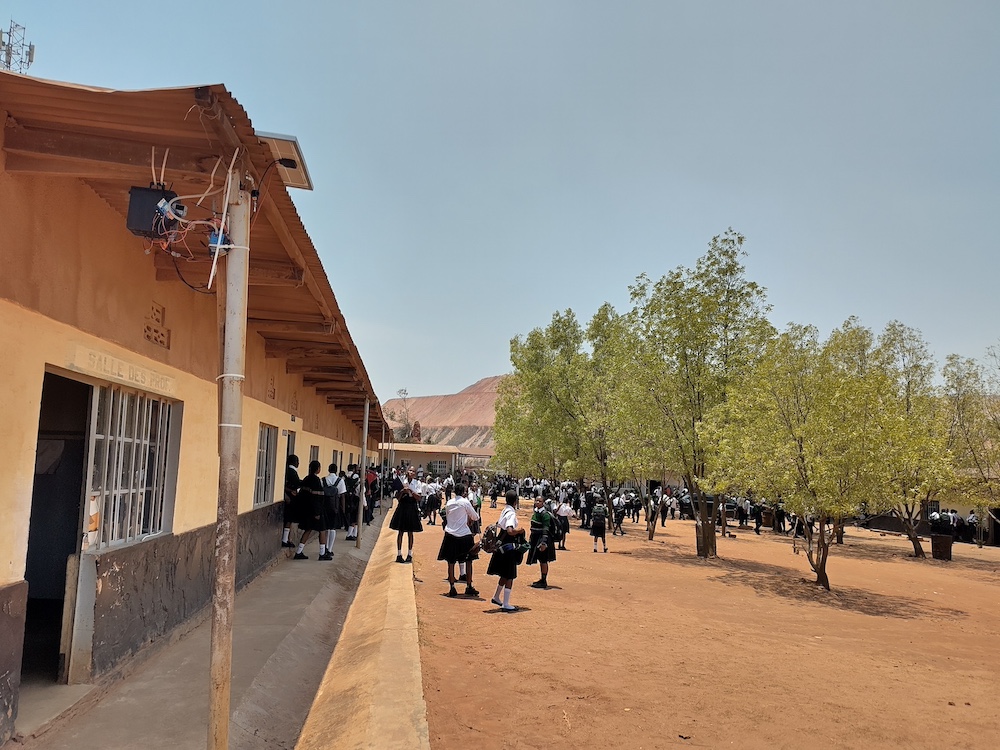
Dust monitoring station inside the Galaxy School courtyard in an industrial mining area in the outskirts of Kolwezi city, DRC. ©2025 Source International
Flaviano Bianchini, Executive Director, Source International:
“In our many years of monitoring pollution at industrial mining sites around the world, these are among the most concerning air quality results we have documented. At every site we measured, fine particulate matter exceeded WHO guidelines by a very wide margin. The dust carries the unmistakable chemical fingerprint of industrial mining residues. An urgent, independent health assessment of these communities is not just a recommendation, it is a necessity.”
Emmanuel Umpula, Executive Director, AFREWATCH:
“The communities living alongside these mines are paying the price for the world’s clean energy ambitions with their health, their crops and their rivers. They have been telling us this for years, and now the science confirms what they have been saying. It is time companies act, and the DRC government steps up to enforce its environmental laws.”
Anneke Van Woudenberg, Executive Director, RAID:
“The world is building a clean energy future on cobalt and copper mined in conditions that are anything but clean. The companies profiting from that contradiction have the leverage to change it. These scientific studies give them no excuse not to act.”
Professor Arthur Kaniki Tshamala, Department of Industrial Chemistry, Faculty of Polytechnic Engineering, University of Lubumbashi:
“After several years of research into water quality in the mining regions of Haut-Katanga and Lualaba, these findings do not surprise me. They are consistent with trends we have already observed. The data clearly shows that the observed contamination is not a remnant of the mining past: it is ongoing, it is getting worse, and it is in close proximity to active mining areas. There is an urgent need for enhanced environmental monitoring, especially given that people in the affected areas are already bearing the cost of this pollution.”
Professor Célestin Banza Lubaba Nkulu, Toxicology and Environment Unit, Faculty of Medicine, University of Lubumbashi:
“The rivers and lakes of the Greater Katanga region are the primary victims of industrial mining, alongside the communities who depend on them. The massive and continuous deposit of metal-contaminated sediments in these ecosystems constitutes, in my assessment, a chemical time bomb. The peer-reviewed scientific literature, to which I and my colleagues have contributed over many years, documents clearly what these metals do to human bodies: neurological damage, kidney conditions, haematological effects and increased cancer risk. That evidence has been accumulating for decades. What has been lacking is the action to match it.”
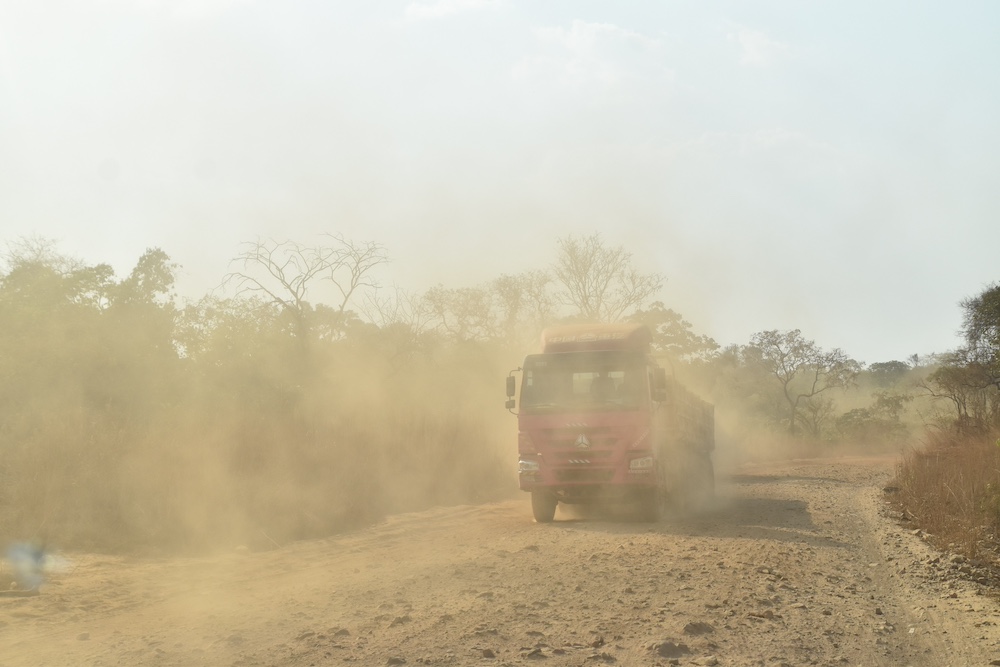
A cloud of thick dust is a common sight in the roads surrounding copper-cobalt mines in Lualaba Province. ©2025 RAID
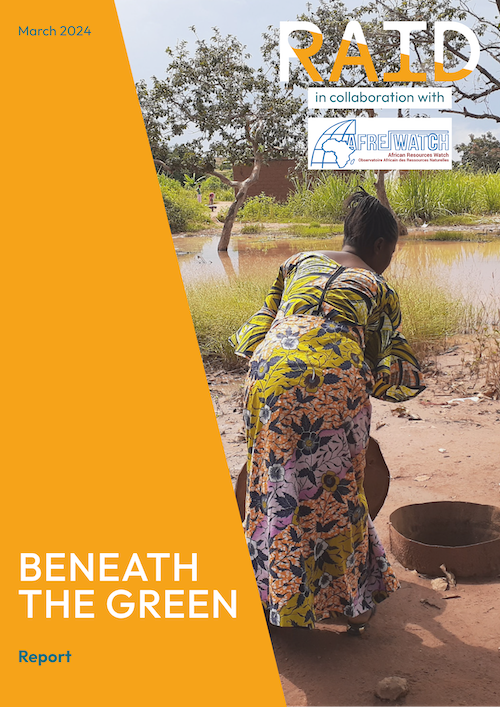
See also Beneath the Green published by RAID and AFREWATCH in March 2024
The four scientific reports are available for download at this link:
- Mining impacts on air quality in the Copper-Cobalt Belt, Democratic Republic of Congo: First assessment of particulate matter and inhalable heavy metals in Lualaba’s frontline communities from the October 2025 sampling campaign – Source International, June 2026
- Mining impacts on aquatic environments in the Copper-Cobalt Belt, Democratic Republic of Congo: Assessment of water and sediment quality in Lualaba’s frontline communities from the October 2025 sampling campaign – Source International, June 2026
- Évaluation des risques environnementaux et sanitaires associés à la pollution des cours et plans d’eau dans le Grand Katanga en République Démocratique du Congo – Prof. Célestin Banza Lubaba Nkulu, Department of Public Health, University of Lubumbashi, June 2026
- Évaluation de la qualité des eaux et des sols dans les communautés impactées par les entreprises minières TFM, COMMUS et MUMI – Prof. Arthur Kaniki Tshamala, Department of Industrial Chemistry, University of Lubumbashi, June 2026
Further background to the scientific studies
Methodology and scope of the studies
The four scientific studies were conducted independently at different stages using various methods:
- Professor Banza’s water and sediment study was conducted in January and February 2024, with samples collected at three lakes and five rivers across the broad area of Kolwezi and Fungurume, with toxicological analysis carried out at KU Leuven’s Division of Soil and Water Management laboratory in Belgium.
- Professor Kaniki’s study was conducted in October 2025; his team collected surface water, underground water and sediment samples at multiple sites across Kolwezi, Lake Kando and Fungurume, with analysis carried out at an ISO/IEC 17025-accredited laboratory at the University of Lubumbashi, one of the few laboratories in the DRC to hold this internationally recognised accreditation.
- Source International’s air quality assessment and water and sediment monitoring studies were also conducted in October 2025, at the end of the dry season, across Kolwezi, Pierre Muteba 2 and Fungurume. The team deployed real-time air quality monitors at eight sites, and collected 12 surface water samples, nine sediment samples and five domestic water samples from community wells and fountains, with analysis carried out by an ACCREDIA-accredited laboratory in Italy.
This is not the first time scientists have raised the alarm about pollution in the DRC’s copper-cobalt belt (visit a literature review of key scientific studies here).
Together, these four studies represent the most recent independent assessments of environmental pollution in Lualaba’s frontline communities to date. The air quality study is, to the researchers’ knowledge, the first independent measurement of particulate matter pollution (PM2.5 and PM10) in this region. The water and sediment studies expand on a growing body of evidence documenting serious contamination across the region.
Air quality: Findings on particulate matter pollution
Source International deployed Aeroqual real-time air monitors at eight sites across Kolwezi and Fungurume over multiple days, measuring concentrations of PM2.5 and PM10, which are fine and coarse dust particles. The small size of these particles is what makes them harmful: PM2.5 particles penetrate deep into the lungs and enter the bloodstream, carrying toxic metals including cobalt, copper and manganese. Inhalable dust samples were also collected using active samplers and sent for heavy metal analysis to the accredited Italian laboratory. The danger lies not in a single exposure but in the continuous, daily inhalation experienced by communities living alongside industrial mines.
At every site monitored, daily concentrations of PM2.5 and PM10 exceeded WHO air quality guidelines, the internationally recognised limits for outdoor air quality, with PM2.5 readings at some sites more than six times the WHO daily limit of 15 µg/m³. Six of the eight sites were rated “unhealthy for sensitive groups” and one rated “unhealthy” on the Air Quality Index, a measure that translates pollution data into a simple scale of health risk.
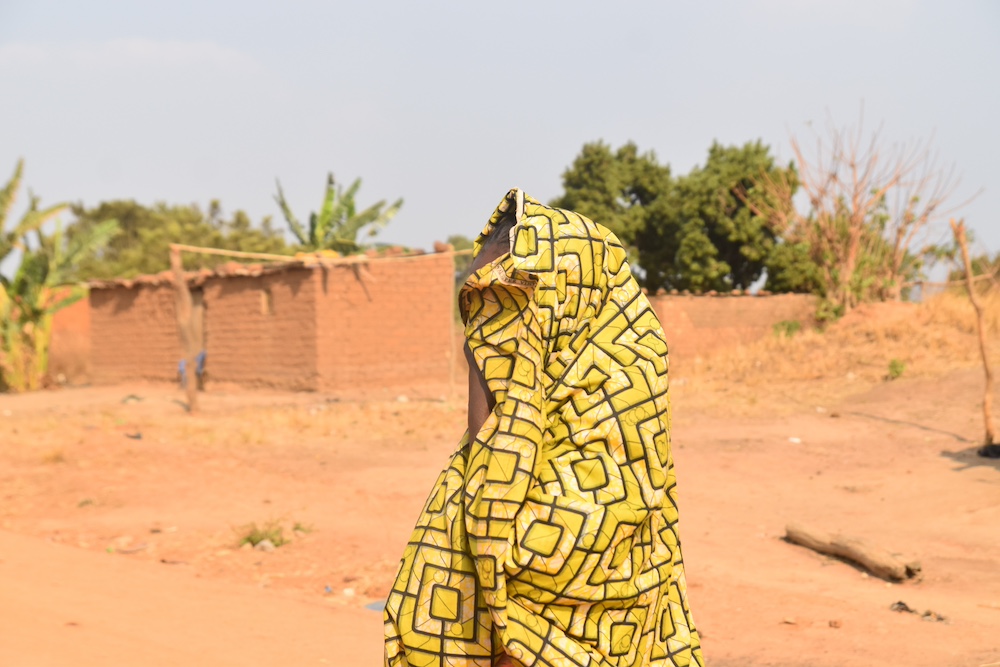
Like many local residents, a woman covers her face to protect herself from dust and air pollution in Lualaba Province. ©2025 RAID
The DRC’s air quality standards exist on paper but are rendered meaningless by a drafting error: limits are expressed in grams rather than micrograms per cubic metre, making them orders of magnitude higher (effectively one million times above any recognised health threshold) and therefore unenforceable in practice. This discrepancy is acknowledged by officials but remains uncorrected in law. In the absence of domestic regulation, mining companies operating in the DRC frequently cite South African air quality standards in their own reporting and public commitments. These standards are less stringent than the WHO guideline, with a daily limit of 40 µg/m³ compared to the WHO’s 15 µg/m³ for PM2.5. Seven of the eight sites monitored exceeded even those standards – those that the companies themselves have chosen to invoke.
Source International notes in its study that the measurements were taken shortly after two intense rainfall events in October 2025, which suppressed the dust. The team emphasised that dry season conditions are likely to be significantly worse than what the data currently shows.
To establish where the dust was coming from, Source International carried out chemical analysis of the samples, which pointed strongly to industrial mining as the primary source of the dust. Samples from all sites showed a consistent signature of cobalt, copper and manganese, the metals left behind by the processing of mining ore. Other possible sources, including traffic, domestic burning and artisanal mining, were tested and deemed unlikely to be the primary source.
Water and sediment contamination
In surface water, sediments and groundwater alike, copper was the most significant contaminant found, often present at dangerous levels. At these concentrations it is toxic to aquatic life and, with sustained exposure, associated with liver and kidney damage in humans. Cobalt and manganese were also consistently elevated across the dataset, in many cases more than ten times median concentrations reported in Europe.
One of the most alarming single findings from the water studies concerns the community water well in Pierre Muteba 2 used for drinking water, as noted earlier. Source International found that this well, which was closest to the COMMUS tailings storage facility, was 100 times more acidic than recommended, with high levels of manganese. Extensive contamination at this site points to a possible leach of acidic process water into the local aquifer, though the scientists note this remains a working hypothesis requiring further investigation.
Another hidden and concerning consequence of exposure is that acidic water can dissolve toxic metals from containers and utensils, creating an additional exposure pathway for local communities not captured by chemical sampling alone.
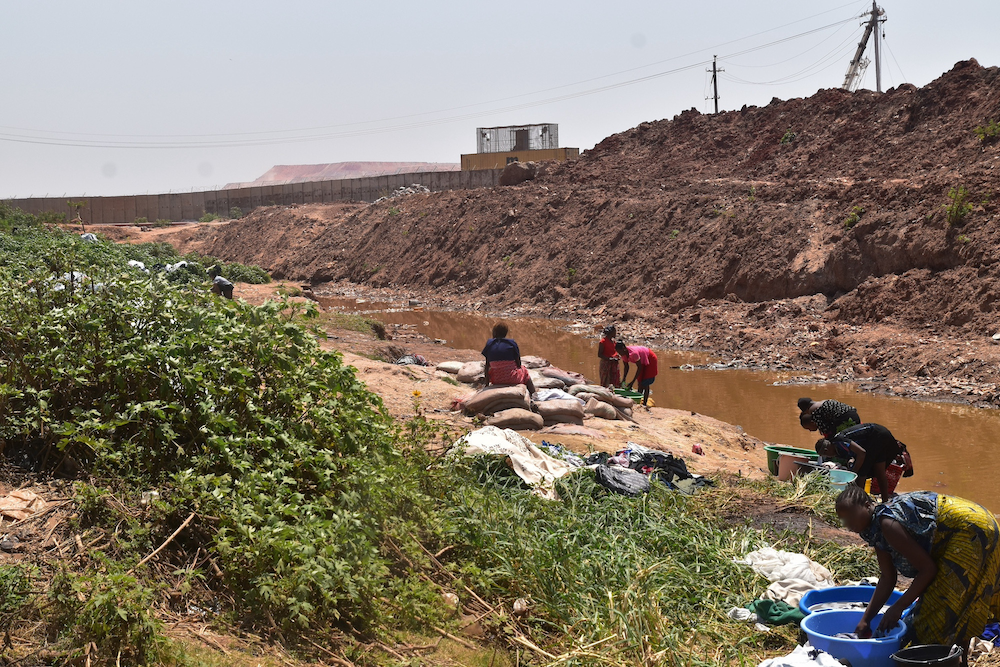
Women wash clothing at a pond in the Golf neighbourhood against the backdrop of the COMMUS copper-cobalt mine and its waste dump in Kolwezi, Lualaba Province. ©2025 RAID
Professor Banza’s study documents contamination across a wide geographic area. In the Kelangile River, average pH values were highly acidic, at 3.4 in the water and 4.5 in the sediments. Manganese concentrations in river sediments reached millions of micrograms per kilogram of dry weight. Professor Banza warns that the accumulation of metal-contaminated sediments in these waterways represents a “chemical time bomb”, a slow-building environmental crisis whose effects will be felt for generations if not addressed.
Professor Kaniki’s study found clear signs of industrial contamination in the Kelangile River around Fungurume. Comparing his October 2025 sampling data with measurements he collected approximately twelve years earlier, he found that sulfate concentrations increased dramatically while electrical conductivity rose more than two-fold, demonstrating an increase in dissolved contaminants rather than an improvement in water quality. He concludes that “the waters of the Kelangile River are contaminated by the discharge of liquid effluents from the 30K plant [TFM’s mixed ore processing plant]”.
The scientists also found elevated levels of cobalt and manganese in river and lake water. Previous studies have demonstrated how this poses a direct threat to aquatic life. Fish are highly sensitive to both metals, which cause behavioural changes and reduced growth. Nearly all communities in the area reported a consistent decline in fish abundance and size in recent years. The loss of fish from rivers and lakes that communities have depended on for generations points to drastic socio-economic impacts, alongside environmental harms.
What the data does not show: A note on legacy contamination
In interpreting these findings, the scientists acknowledge that the DRC’s copper-cobalt belt carries legacy contamination from decades of past industrial activity, and that some metals occur naturally at elevated levels in its geology. These studies do not eliminate legacy contamination or natural mineralisation as contributing factors. What they show is that current results are consistent with expanding operations. History is part of the picture, but it does not explain what is happening now.
The Galaxy School: Children on the frontline of pollution
The Galaxy School in Musonoïe, Kolwezi, is located less than 500 metres from a large waste rock dump linked to COMMUS operations. It is a school of approximately 1,500 students, aged between 4 and 17, and 68 members of staff. Each day, they spend hours in an environment where the air quality data places them among the most exposed people in the entire study.
The measurements taken at the Galaxy School recorded daily PM2.5 concentrations of 44 µg/m³, almost three times the WHO guideline of 15 µg/m³, and daily PM10 concentrations of 105 µg/m³, more than twice the WHO guideline of 45 µg/m³, and among the highest recorded across all monitoring sites in Kolwezi. The site was rated “unhealthy for sensitive groups” on the Air Quality Index. Critically, the school also recorded a pronounced late-afternoon peak in pollution – the time when children are still in class or making their way home.
Children are particularly vulnerable to air pollution: their lungs are still developing and they breathe more rapidly than adults. Exposure to PM2.5 during childhood is associated with reduced lung development, increased respiratory infections, cognitive impacts and long-term cancer risk. The chemical analysis of the dust at this site found cobalt and copper concentrations exceeding the estimated precautionary limit by a factor of more than four.
The Galaxy School is not an isolated case. It is, as Source International notes, the only educational facility included in its study, but it is not the only school located near mining operations in Kolwezi and Fungurume. The findings illustrate a broader danger: children in these communities are growing up in environments where harmful, multi-pathway pollution exposure is part of everyday life, even in the places that should be among the safest.
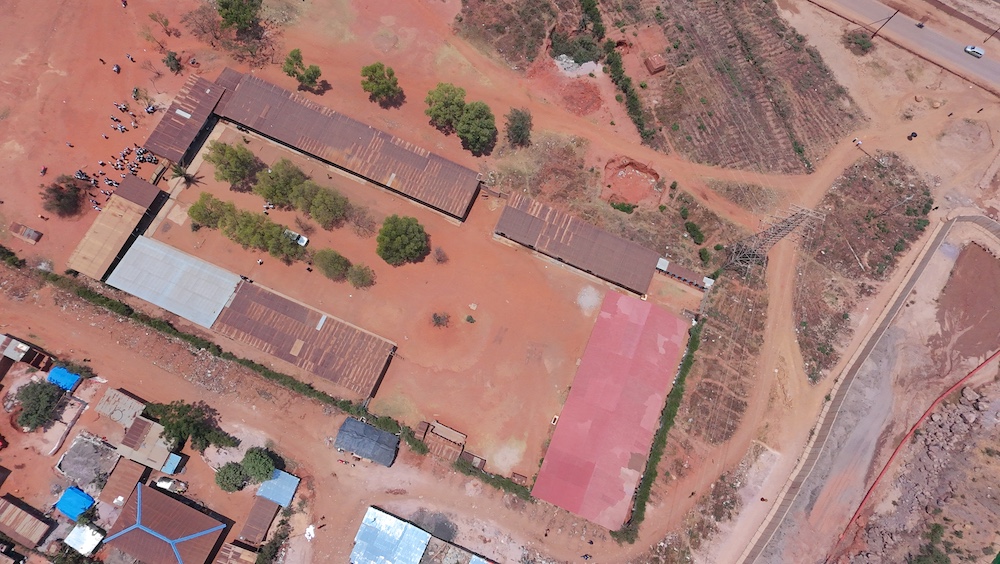
Aerial view of the Galaxy School located in a mining area. The proximity between school buildings and extractive infrastructure highlights the daily exposure of children and teenagers to a heavily industrialised environment. ©2025 Source International
What communities endure
These scientific findings back up testimony gathered by RAID and AFREWATCH between September and October 2025 from more than 150 residents and medical staff across ten communities in Lualaba Province. Our latest research builds on our 2024 report, Beneath the Green, which documented widespread water pollution and its impacts on fenceline communities in the same region.
Community testimony is part of a sustained local effort to report on environmental changes – directly from people living in these conditions daily – complementing scientific findings and further grounding the evidence presented in this publication.
Air: Reported health conditions
Residents living near mining operations describe air pollution as a worsening presence in their daily lives. The accounts gathered by RAID and AFREWATCH are consistent across communities. They describe how dust settles on food, clothes and household surfaces, the air that carries a distinctive smell, and a deterioration that began or intensified when nearby mining operations expanded.
Communities also describe the same persistent symptoms: coughing, nosebleeds, eye irritation and headaches, worsening during the dry season when dust levels rise. These are consistent with the health impacts associated with prolonged exposure to particulate matter and the metals it carries, as set out in the public health section.
In Pierre Muteba and Tshizuza, communities close to COMMUS operations in Kolwezi describe washing their homes repeatedly throughout the day to remove dust. In Golf, also near COMMUS, one resident described the dust in stark terms: “Sometimes there is heavy dust in the air. We have great difficulty seeing. It is like tear gas.” In Rianda, near Lake Kando, one resident described dust forming “like a cloud, a kind of fog” drifting from the nearby mining operations. Residents across multiple communities described closing windows and wearing face masks to try to reduce their exposure.
The experience of one mine worker who lives in Pierre Muteba illustrates a dimension of the pollution problem that the scientific data alone cannot capture. He described how, at work, he wears full protective equipment against respiratory hazards. Yet at his home, he and his family face the same hazards but without any protection. At his most recent annual medical check his doctor found lung and eye problems, and told him to change his environment. “[It seems] we should also wear protective goggles at home,” he said.
Water: Loss of livelihoods and food sources
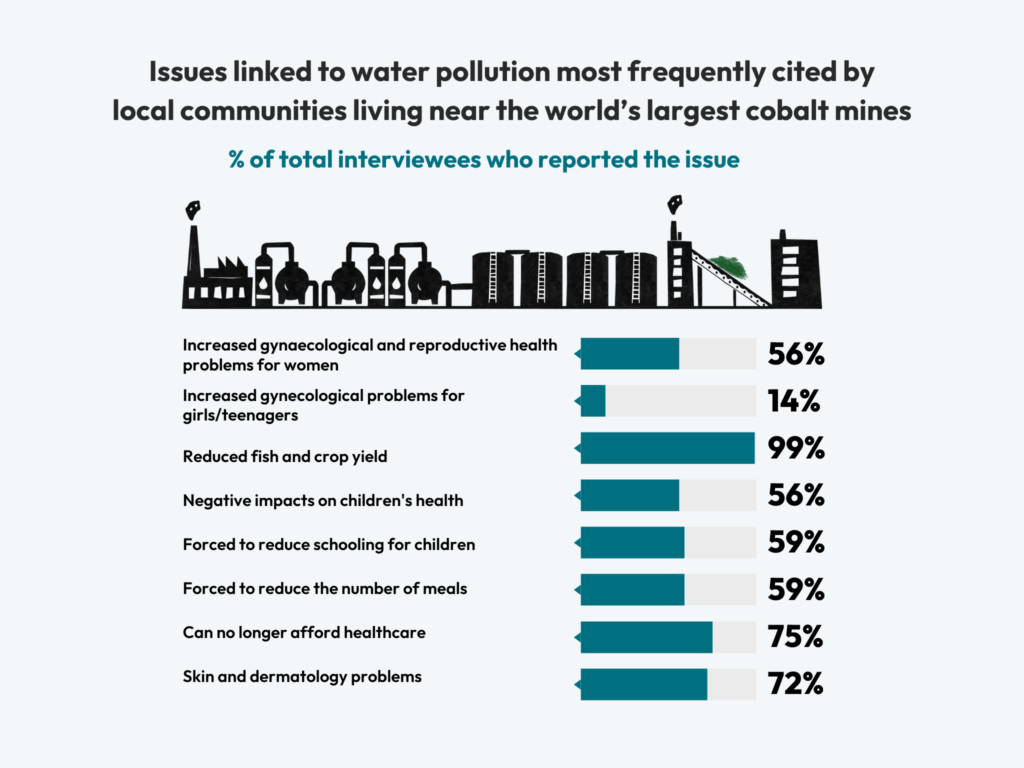
The impact on water, fishing and agriculture runs through almost every community interview. In Kaindu, residents describe abandoning fishing and farming entirely because the water is no longer safe: “Before, we fished and farmed, but the water is no longer good. Now we make charcoal.” In Mibanze, fishermen describe fish from local rivers that are visibly diseased, with sores and lesions that they attribute to contaminated water. In Manomapia, one resident described watching fish float to the surface when effluent was discharged into the river: “The fish die. They float when they discharge water into our rivers. And what would happen to us if we drank that water?”
Across communities, residents describe crops that no longer produce, banana trees that have dried out completely, and fruit trees that bear no fruit. The loss is not only environmental but economic. In Rianda, near Lake Kando, one resident recalled that, “before, towns from the surrounding area came to buy produce from us”, but that trade has now died out.
Table from Beneath the Green published by RAID and AFREWATCH in March 2024
Impacts on reproductive health and the next generation
Women across multiple communities independently describe reproductive health problems they link directly to the pollution. One woman from Manomapia described having three miscarriages, adding: “Even my daughter now has to go to Lubumbashi to have healthy children.” Other women described widespread infections among mothers in the community. In Pierre Muteba and Tshizuza, women describe menstrual disruption, prolonged and painful periods, and vaginal infections, with some doctors linking these symptoms to acid contamination of the water.
Children appear most severely affected across all communities. In Kisenda, children vomited blood for two days in September and October 2025, according to local residents. In Tshizuza, a ten-year-old boy has had periodic nosebleeds since 2023, with episodes of dizziness recurring every year since 2021. In Kasanga, residents reported that three children had died in two days at the time of RAID and AFREWATCH’s visit. The causes of death could not be verified, but residents said they believed the deaths were connected to the contamination in their community.
These accounts require careful interpretation, as the scientific studies did not measure health outcomes directly. Establishing causal links requires epidemiological investigation that has not yet been conducted – but the consistency of these accounts across multiple communities, and the fact that local doctors are repeatedly linking them to pollution, underscores the urgency of addressing the crises.
Although these studies were conducted around a limited number of mining companies, they nonetheless demonstrate the general situation in which communities are living in Lualaba and Haut-Katanga.
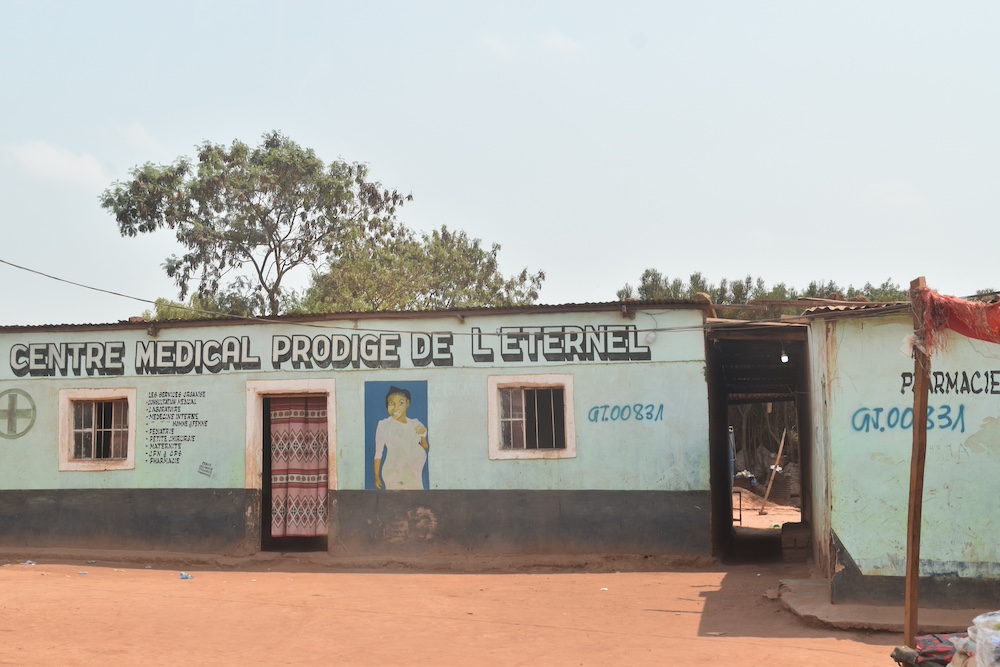
A medical centre in the outskirts of Kolwezi, near the COMMUS copper-cobalt mine in Kolwezi, Lualaba Province, DRC © 2025 RAID
A wall of silence: Communities’ complaints left without answers
Residents said they had repeatedly raised their concerns with companies and authorities, and had been met with a consistent pattern of inaction. In Pierre Muteba, the community wrote to the Governor in 2023, obtained an audience with the Minister of Mines, and requested relocation, but the promised commission of inquiry never visited, residents said. According to local residents, the company’s only concrete response was to briefly install a sign in Swahili forbidding use of a water source.
In Mibanze, residents said that MUMI, the nearby mining company installed air quality monitors in 2018 following community complaints, then removed them in 2023 without sharing any results. In Rianda, residents said the company took water samples monthly but never shared the results with the community. In Kisenda, mining company officials told residents their health problems were unrelated to mining.
Under Congolese law, mining companies are required to monitor air and water quality, and report results regularly to the relevant government authorities. Residents interviewed by RAID and AFREWATCH said they had not received the results of any monitoring conducted near their communities. The communities living closest to the pollution are, in practice, the last to know what it shows. “Are there instruments measuring air quality?” asked one resident of Pierre Muteba. “No. We are the instruments.”
Many of the industrial mining companies operating in the region maintain that they engage regularly with local communities, and companies may characterise their interactions with local communities differently from the accounts presented here. Yet the picture that emerges consistently from community testimony is one where environmental monitoring data rarely if ever appears to reach the people most affected, particularly in relation to air quality. There is no independent public air or water quality monitoring in the region. Communities are entirely reliant on companies and government authorities for information about the environment they live in.
Public health: What the pollutants do
The four scientific studies do not directly assess human health outcomes. A substantial body of peer-reviewed research has, however, already done so. The environmental contamination documented in these new studies adds a critical new layer to that evidence base. The key pathways and their implications are set out below.
Air, water and food: Multiple pathways of exposure
Fine particulate matter, PM2.5, is classified by the International Agency for Research on Cancer as a Group 1 carcinogen, meaning it is a confirmed cause of cancer in humans. Beyond cancer, sustained exposure is associated with cardiovascular disease, respiratory illness, impaired neurological development and adverse birth outcomes including premature birth and low birth weight. What makes the Lualaba findings particularly serious is the chronic nature of the exposure: 98% of hourly PM2.5 measurements exceeded WHO guidelines. This is not occasional exposure – it is the air communities breathe every day, year after year. The dust also carries cobalt, copper and manganese; cobalt is classified by the IARC as a possible human carcinogen by inhalation, and manganese at elevated concentrations is associated with serious neurological damage, including a Parkinson’s-like condition known as Manganism.
The metals found in water and sediments carry equally serious risks. Manganese causes neurological damage in children at elevated concentrations, affecting cognitive development, motor function and behaviour. Arsenic, found above health-based standards at several sites, is a Group 1 carcinogen. Lead causes irreversible neurocognitive damage in children with no safe level of exposure established by current science. Uranium damages kidneys.
Contamination also enters the food chain: peer-reviewed research by Professor Banza established that cobalt reaches the human body primarily through contaminated food – cereals, vegetables and fish – in this region.
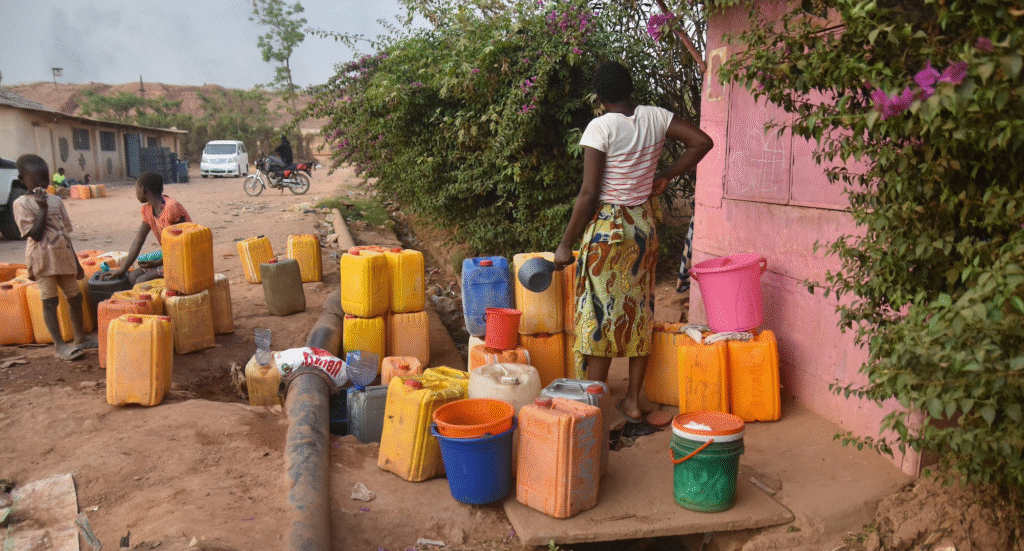
Women collect water from taps near the COMMUS copper-cobalt mine in the Musonoie neighbourhood, Kolwezi, Lualaba Province, DRC ©2025 RAID
The case for an independent health assessment
The scientific studies, the peer-reviewed literature, and the clinical observations of local medical professionals all point in the same direction. What is missing is a formal epidemiological study that directly links the environmental contamination now documented to health outcomes in these specific communities. Source International states explicitly that such a study is not just a recommendation but a necessity. The communities living alongside these mines have waited long enough for that investigation to begin.
Legal obligations: DRC law and the enforcement gap
The DRC has a legal framework that, on paper, should protect communities from the harm documented in these studies. Article 285 bis of the DRC Mining Code establishes “the polluter pays” principle, placing liability for pollution-related harm on the operator responsible. Article 53 of the Constitution guarantees every person the right to a healthy environment favourable to their development, and places a duty on the state to protect both the environment and the health of the population. Mining companies are required by law to conduct Environmental and Social Impact Assessments (ESIAs), implement environmental management plans, and monitor and report on their environmental performance.
Yet the gap between law and practice is stark. ESIAs are rarely publicly available, preventing communities from understanding the risks they face or holding companies to the commitments they have made. The community testimony gathered by RAID and AFREWATCH reveals a consistent pattern: monitoring takes place, but results are rarely shared with the communities most affected. Enforcement by the relevant authorities, principally the Congolese Environmental Agency (ACE) and the Division of Environmental Protection in the Mining sector (DPEM), is severely constrained by limited resources and institutional capacity. Complaints raised by communities are routinely acknowledged and then ignored.
The DRC government has taken some steps in recent years: COMMUS’s operations were suspended briefly in 2024 over radioactivity concerns, and provincial authorities received formal complaints about pollution at these sites, but there was no further follow up. Suspension without remediation, and complaints without investigation, do not constitute enforcement. The legal framework exists, but what is lacking is the institutional capacity, resources and enforcement infrastructure to apply it effectively.
Company Observations
RAID, AFREWATCH and Source International shared the findings of the four scientific studies with CMOC (TFM), Glencore (MUMI) and Zijin Mining (COMMUS) two weeks ahead of publication as a courtesy, in the spirit of transparency. We indicated that any observations the companies wished to make would be reflected in our publication. All three companies downloaded the reports.
TFM provided a detailed eight-page written response to the scientific findings, which is available in full here. This is a substantially more extensive engagement than that of the other companies. In its response, TFM said that it operates in compliance with applicable DRC regulations and international ESG standards, including ISO 14001 and Copper Mark certification, and that its own air and water monitoring data shows results within applicable limits. TFM argues that environmental quality in the Lualaba region is influenced by multiple factors, including natural geological conditions and artisanal mining, and that the studies’ conclusions regarding TFM’s environmental responsibility are not sufficiently supported by the available evidence. TFM further observes that the causal relationship between its operations and community health outcomes has not been established through systematic epidemiological research.
TFM’s response does not address PM2.5, the fine particulate matter that drives the health risk classifications in the Source International air quality report, and does not engage with the findings of the reports by Professors Kaniki and Banza. This is an important omission. TFM shared three years of PM10 monitoring data from its own stations, and states that its environmental monitoring is conducted in accordance with IFC standards, the same framework it references for its water quality data. The IFC’s Environmental, Health, and Safety Guidelines include PM2.5 as a standard parameter for ambient air quality assessment alongside PM10, yet TFM provides no equivalent PM2.5 data.
TFM’s observation on epidemiology is a fair one, and one we share. The existing studies document serious environmental contamination at levels associated with significant health risks, and are consistent with the health conditions communities report; they do not, and do not claim to, provide definitive epidemiological proof of causation. That is precisely why independent, company-funded health screening of affected communities is urgently needed, and why the legal framework in the DRC places the burden on companies to demonstrate that their operations are not causing harm.
Glencore, which operates MUMI/Mutanda, provided the following response:
“MUMI is committed to managing its environmental impacts and risks and to achieving consistent environmentally responsible performance through continuous improvement, in accordance with the Glencore Environment Policy. MUMI monitors its emissions to air and water in accordance with Glencore standards, which seek to meet or exceed local regulation. We acknowledge the findings in the reports, and will consider these in our environmental management systems. We note, however, the challenges associated with isolating the impacts of an individual mine amongst multiple operations and illegal mining activities present in the area, and encourage the authors to give this due consideration.”
COMMUS, which is operated by Zijin Mining, requested an extension after the 1 June deadline had passed and did not provide substantive observations within the time available. It has yet to provide observations.
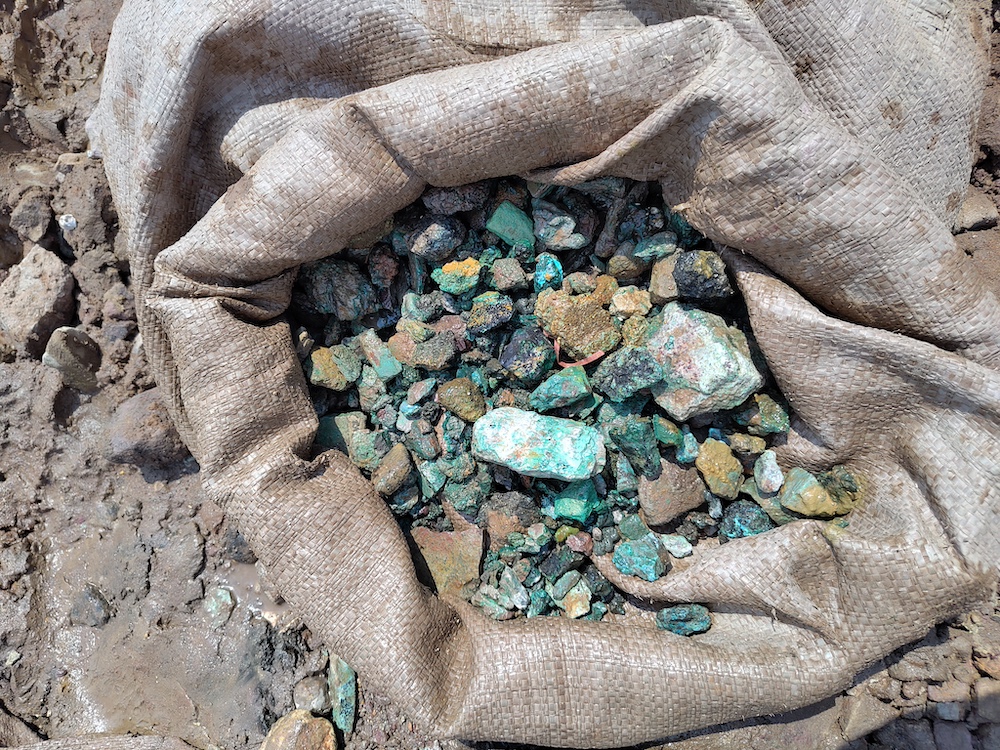
Extracted mineral ore gathered into a sack by an artisanal miner. The green and blue colouring of the rocks suggests the presence of copper-bearing minerals. ©2025 Source International
What responsible mining practice looks like elsewhere
Air and water pollution from mining can be significantly reduced through well-established techniques. Standard dust suppression measures at comparable open-pit copper operations in Australia, Canada, Colombia and Serbia include real-time air quality monitoring with near-real-time community access to results, road watering and chemical dust suppressants, fog cannon systems, vehicle speed limits, covered ore transport, limits on blasting, and ecological restoration of waste dumps and tailings facilities to reduce dust generation. At some operations, dedicated dust management working groups have been created to focus on reducing dust emission. For water, standard practice includes wastewater treatment, recycled water systems, stormwater controls, and continuous monitoring of watercourses downstream of operations.
These measures are not aspirational: they are required under the IFC’s Environmental, Health and Safety Guidelines for Mining, and are consistent with ILO Convention 176 on Safety and Health in Mines, which requires employers to assess dust hazards systematically, take measures to minimise dust at source, and inform communities about the risks they face and the measures taken to address them.
Many of the global companies operating in Lualaba Province apply these measures at their operations elsewhere. Whether comparable measures are in place in the DRC is not publicly known, because the companies do not disclose their environmental management plans or monitoring data to the communities most affected. What the scientific evidence does show is that, whatever measures are currently in place, they are not sufficient to protect fenceline communities from serious and ongoing harm. The communities living alongside these operations deserve no less than the standards applied elsewhere.
The clean energy context: Supply chain accountability
The minerals mined in DRC’s copper and cobalt belt do not stay in the DRC. They flow through global supply chains into electric vehicle batteries, renewable energy infrastructure, arms and defence industries and, increasingly, the data centres that power artificial intelligence.
Some of the operations covered by these studies, TFM and Mutanda Mine, hold the Copper Mark, a certification scheme intended to verify responsible mining practice. TFM is also currently undergoing an independent audit under the Initiative for Responsible Mining Assurance (IRMA), the results of which are not yet available. The evidence presented in these four studies should be a direct input to both processes and raises serious questions about whether the Copper Mark is identifying and addressing the pollution impacts documented here.
The UN Guiding Principles on Business and Human Rights (UNGPs) require companies to conduct human rights due diligence and provide remedy where harm occurs. Several of the mining companies concerned publicly claim to adhere to them. Downstream companies, including electric vehicle manufacturers, battery producers and technology companies, face growing legal obligations under due diligence legislation, including the EU Corporate Sustainability Due Diligence Directive, that require exactly this kind of harm to be identified and addressed in supply chains. The EU Batteries Regulation is also directly relevant: it imposes due diligence obligations on companies placing batteries on the EU market, including in relation to the sourcing, processing and trading of cobalt and other battery raw materials. These obligations require companies to identify and address social and environmental risks in their supply chains, including the pollution and community impacts documented in these reports. The toxic pollution documented in these studies, in communities supplying cobalt and copper to global markets, is precisely the kind of harm these frameworks are designed to address. The question is whether companies will act, or wait to be compelled.
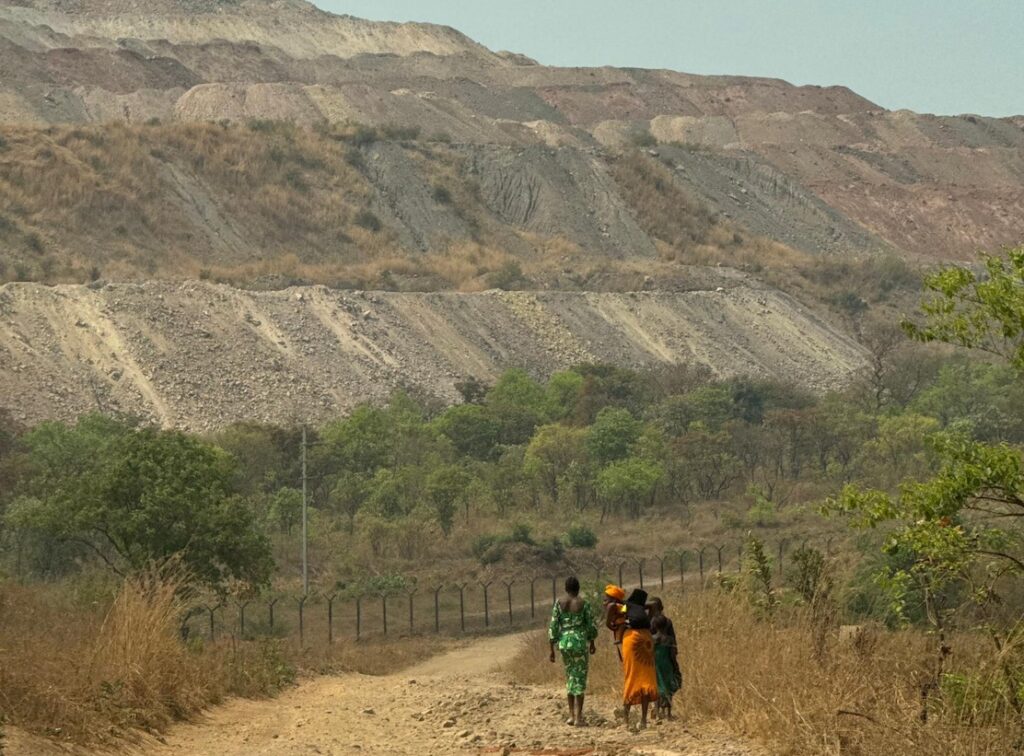
Women walk by an industrial mine in Lualaba Province, DRC. ©2025 RAID
What must be done
Mining companies must fund an urgent, independent health assessment of affected communities, conducted at arm’s length from the companies. They should urgently publish their ESIAs and other environmental monitoring data, including air and water quality results, in formats accessible to local communities. They should further act to implement immediate measures to reduce dust and effluent at source, clean-up the pollution, and provide clean water to communities whose water sources have been contaminated by their operations.
The DRC government must enforce existing environmental law, including “the polluter pays” principle established in Article 285 bis of the Mining Code. ESIAs should be made publicly available. The government should also update national air quality standards so they align with current WHO health-based guidelines. The relevant enforcement authorities should be adequately resourced with no new permits or expansions approved for operations that have not demonstrated compliance with existing environmental obligations.
Supply chain companies buying cobalt and copper from these operations need to use their leverage to ensure that the companies they source from address the harms documented here. Due diligence obligations are not met by audits alone; they require engagement with affected communities, transparent monitoring data, and verifiable improvement over time.
Investors and financial institutions financing mining operations or companies in the cobalt and copper supply chain should use their leverage to ensure that the companies they fund address the harms documented here. Environmental and social due diligence obligations do not end at the point of investment: investors should require companies to publish environmental monitoring data, implement credible pollution reduction plans, and fund independent health assessments of affected communities. Where companies fail to act, investors should escalate their engagement and, where necessary, reconsider the terms of their financing.
Affected communities are owed remedy for the harm they have suffered: access to healthcare, compensation for damaged livelihoods, clean water, and a meaningful role in decisions that affect their environment and their health.
The communities living alongside these mines did not choose to bear the cost of the world’s clean energy transition. They have a right to a clean, healthy and sustainable environment, recognised by the United Nations and enshrined in the DRC Constitution. These studies raise serious questions about whether that right is being respected in practice.